
Discover the Secrets of the Most Mysterious Place in Venice
The Stone that Inspired Dante’s Inferno
Above the water gate, a worn stone bears an inscription that is
indecipherable to many: “As in the arsenal of the Venetians…” –
Inferno, Canto XXI. Did you know that Dante also shaped his vision
of Hell here? In 1321, the exiled poet watched the calafati
(*) curse the boiling pitch.

But the paradox is that this “cauldron of the damned” was actually
the beating heart of the Venetian maritime empire. How did a
shipyard become a literary myth?
The Renaissance Factory of Miracles
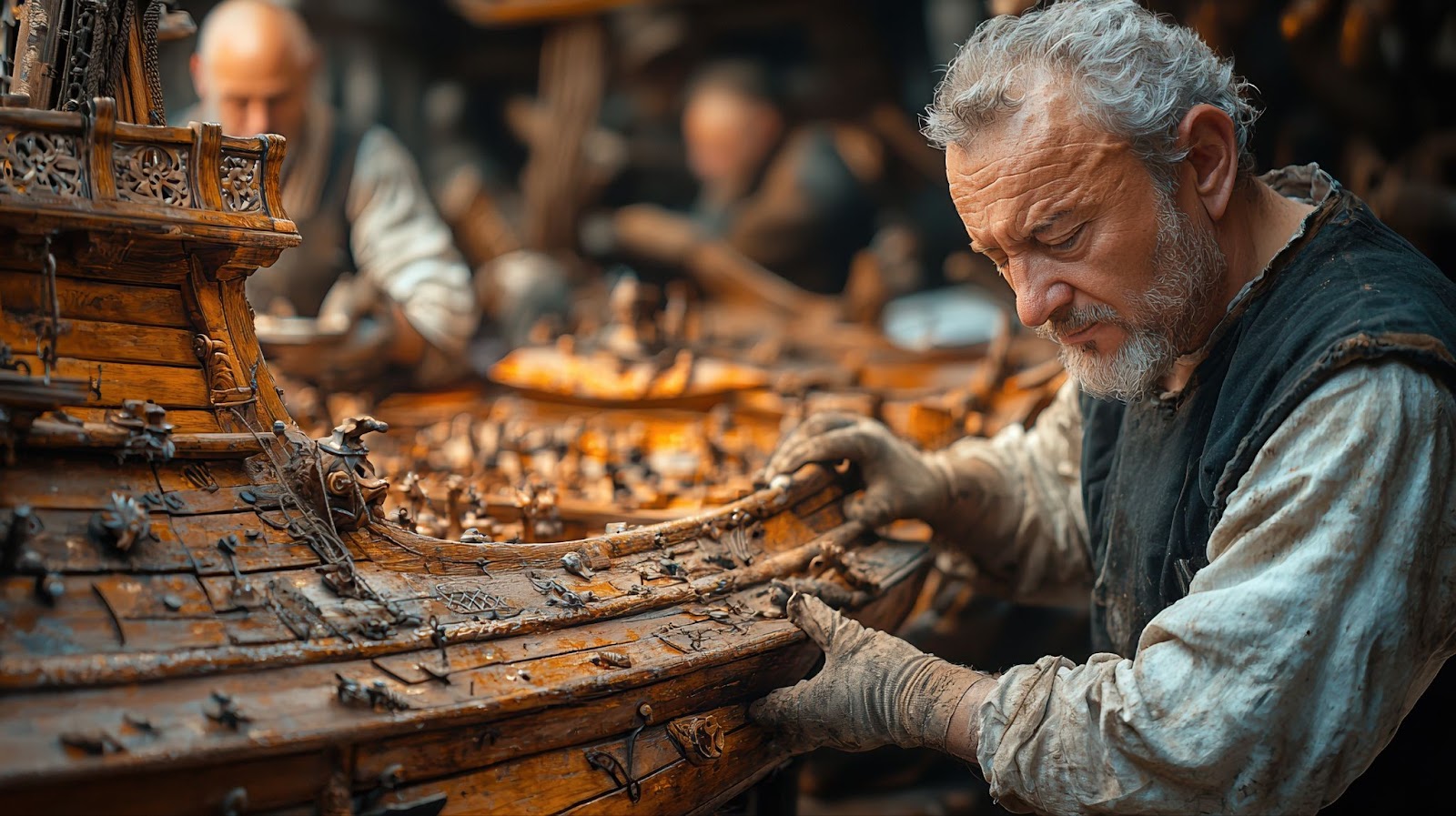
Imagine 16,000 men at work: carpenters carving Slavic oaks,
blacksmiths forging anchors, rope makers weaving hemp into ropes as
thick as logs. This was the Arsenal at its peak: ships built in a
day, in the Corderia (the House of Ropes), a long pavilion of 317
meters that guarded the secrets of Venetian dominance. And the
true masterpiece? Prefabricated ships, assembled like Renaissance
Legos.
Ghosts of Glory: From Napoleon to Netflix
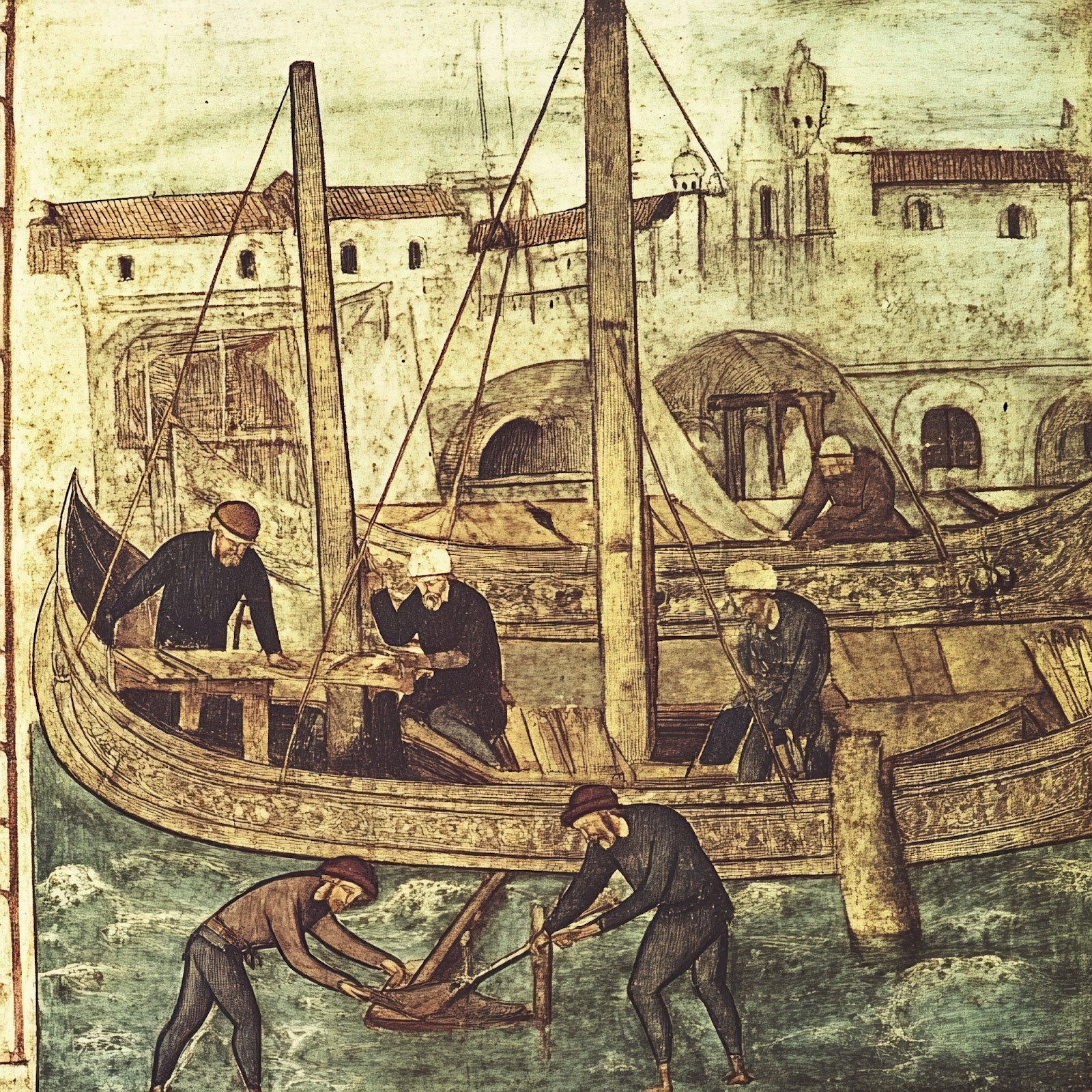
In 1797, Napoleon extinguished the Venetian gold. The Bucintoro —
the golden ship of the Doges — was dismembered to finance the
French troops. But the Arsenal does not die. Today, its silent
basins host light shows during the Carnival, while yachts
show off elegance where galleys once dominated. And yes,
Spider-Man really passed through the towers in his film also set
here — even superheroes pay homage to history.
Secrets in Marble: Lions, Vikings and Runes
In Campo Arsenale, four marble lions stand guard. The most
imposing — The Lion of Piraeus — weighs 12 tons and hides a Viking
secret. Stolen from Athens in 1687, it bears 11th-century runes on
its paws: “Hákón fecit hoc” (Hakon made me). At night, these lions
seem to breathe… but that’s another story.
The Bridge of Damned Souls (And Hollywood Stars)
The paintings of Canaletto immortalize the movable bridge
of the Arsenal — a hydraulic prodigy that rose to allow the masts
to pass. Dante could have called it “The Crossing of the Damned,”
but the Venetians would have smiled, for them that was… home.
Today it is immobile, but its stones recall the invasion of
Napoleon and the acrobatics of Spider-Man.
Enter the Corderie, now an exhibition space of the Biennale, and imagine:
- 85 tons of hemp transformed each year into ropes that bound empires
- Marco, a 14th-century boy with his hands burned by pitch
- The Morosini Code — a secret recipe to withstand storms
But the real magic? The industrial scent of wood, salt and ambition that still envelops these walls, at least for those who know… how to listen!
Goethe’s Warning (And Petrarch’s Promise)
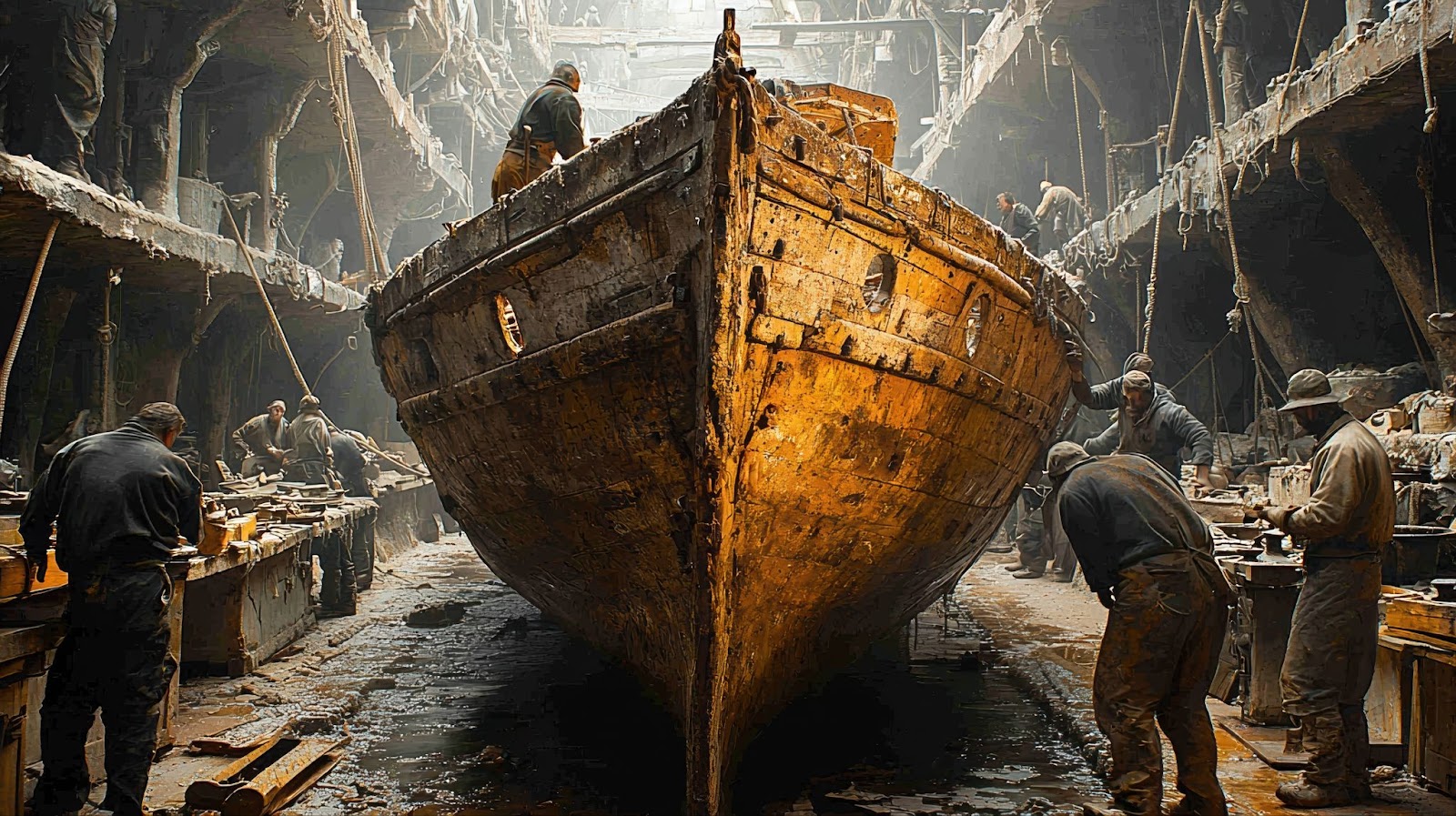
Goethe, on a visit in 1786, whispered: “How much longer will
it last?”. Petrarch had already replied centuries earlier:
“Venice is the port of mankind”. The fires of the Arsenal have
gone out, but its spirit lives in the fireworks of the Carnival and in the installations of the Biennale.
“Venice is not a city. It’s an idea. And ideas… never sink.”
📢 Ready to Discover the Rest?
This is only 10% of the story. For the COMPLETE experience — with
the whispers of Dante, the gold stolen by Napoleon and the seasickness of Henry
III — immerse yourself in the Emotional Audio Guide of the
new THANKS app!
👉 CLICK HERE TO UNVEIL THE SECRETS OF THE ARSENAL
(You will hear the violins with… new eyes.)
Tag: #SecretsOfVenice #HiddenHistory #AuthenticVenice #DanteInVenice
Notes:
Calafati: Ancient artisans specializing in sealing
ships.